
Learn About the Issues: What the Animal Agriculture Industry Doesn’t Tell You
Animal agriculture is hiding the truth: Behind closed doors, animals with personalities and emotions endure lives of pain and fear.
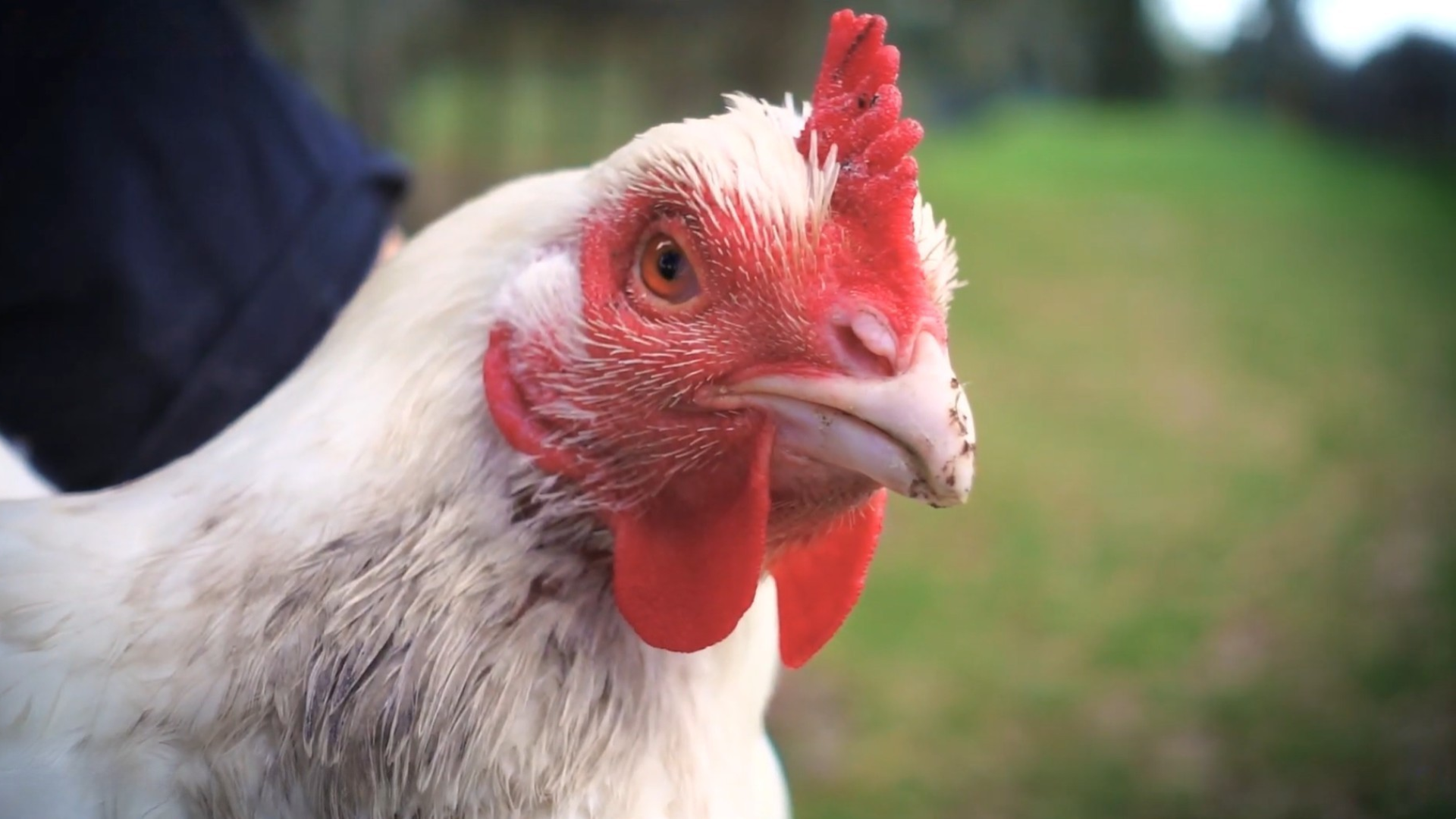



Every year in the U.S., nearly 10 billion land animals are slaughtered for food—even though healthy, cruelty-free alternatives exist. Around 99% of these animals spend their lives trapped in oppressive, filthy factory farms. They can barely move. They’re not allowed to do what comes naturally, like exploring, forming relationships, or nurturing their young. They’re mutilated—tails sliced off, testicles ripped out, horn buds cauterized, and the sensitive tips of their beaks burned or cut—all without pain relief. Most never feel sunlight or breathe fresh air.
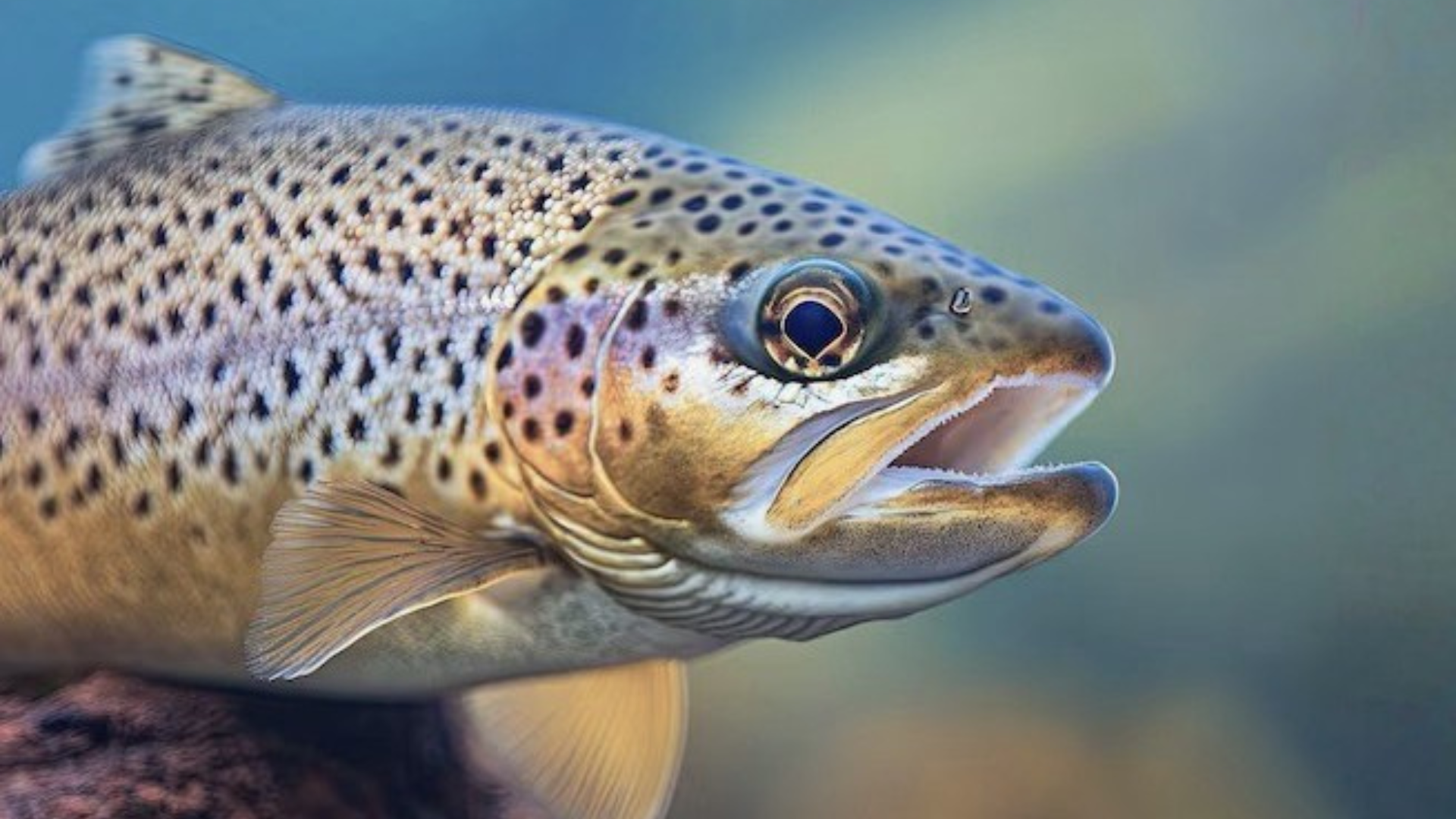
Spend time with a chicken, pig, cow, or fish, and you’ll discover they’re not so different from the animals we share our homes with. A hen might follow you around, clucking softly for company. A pig might flop over for belly rubs or gently nudge your hand for more. A cow might nuzzle you, seeking gentle attention. Even fish remember faces and may swim up to greet you once they recognize you.
Each one feels joy, fear, loneliness, and love—and each one wants to live. When we see them as individuals, we begin to understand how much they deserve care, respect, and compassion.
The good news? Every time you sit down to eat you can stand up for animals, simply by choosing to leave them off of your plate. Ready to meet the animals most people never get to know?
Chickens and Turkeys
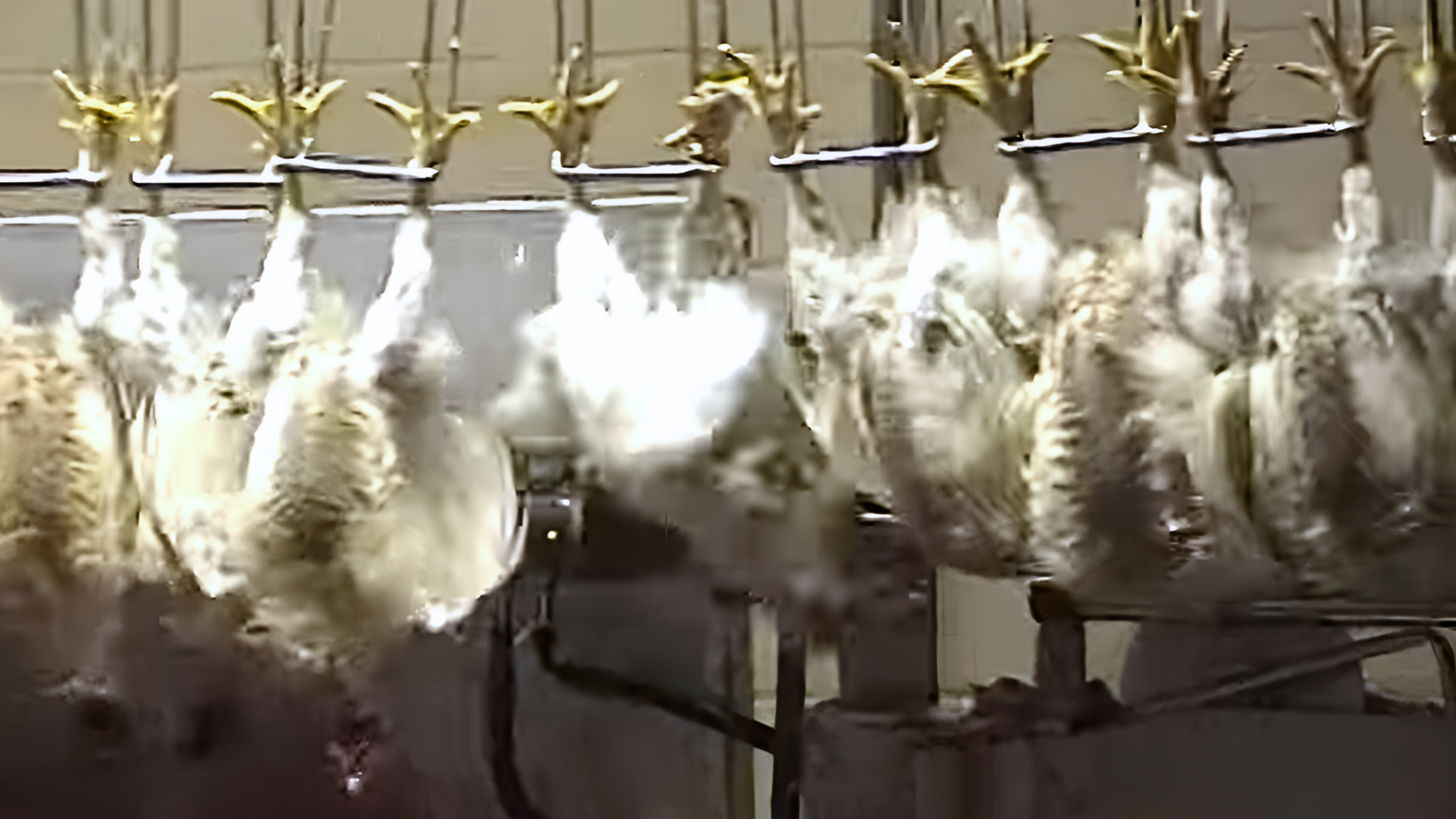
Chickens and turkeys are affectionate, social birds, and protective mothers—but factory farms deny them everything that makes life worth living.


Pigs
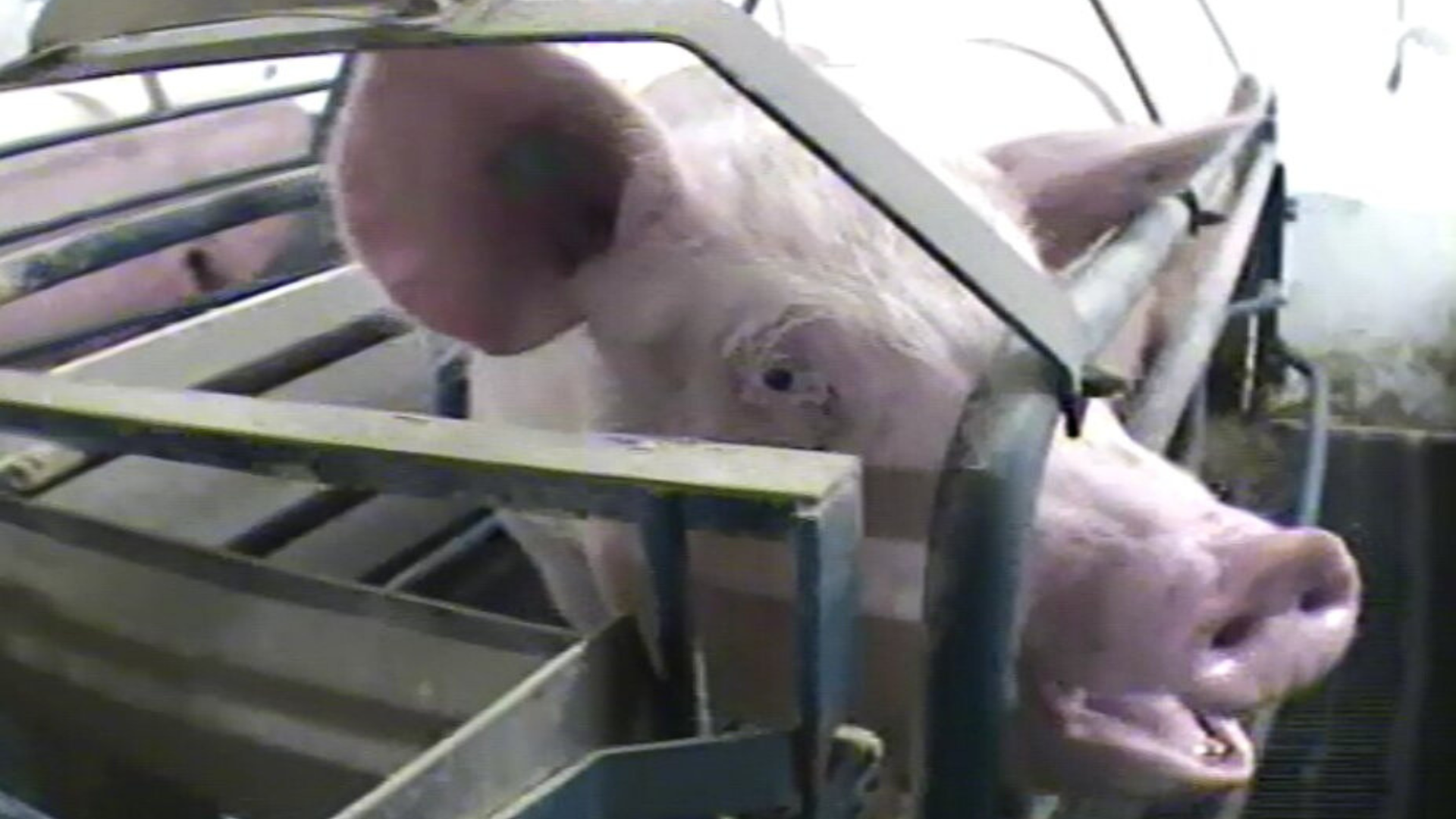
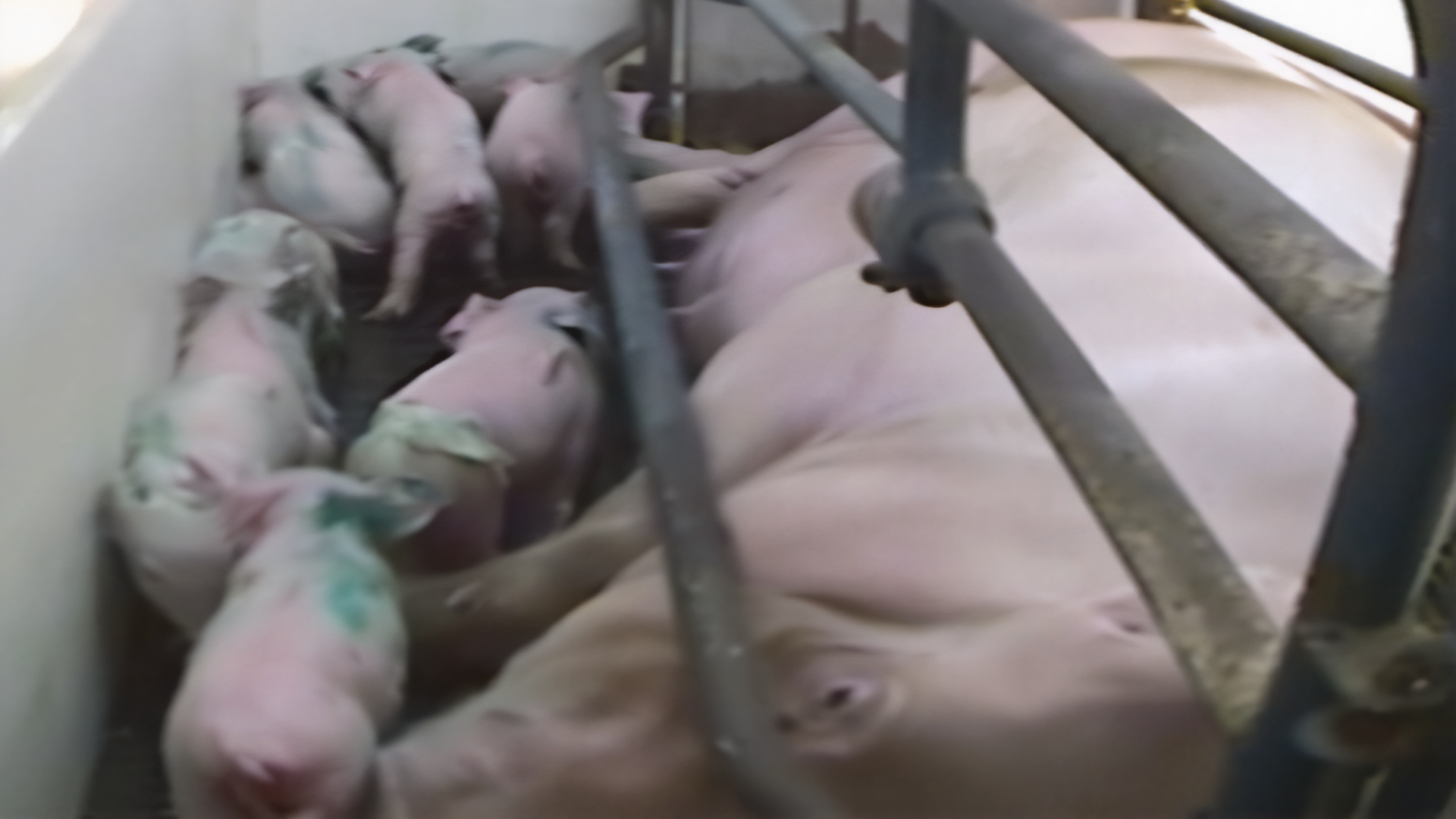
Pigs are curious and smart—but industrial farms confine them in metal crates barely bigger than their bodies.


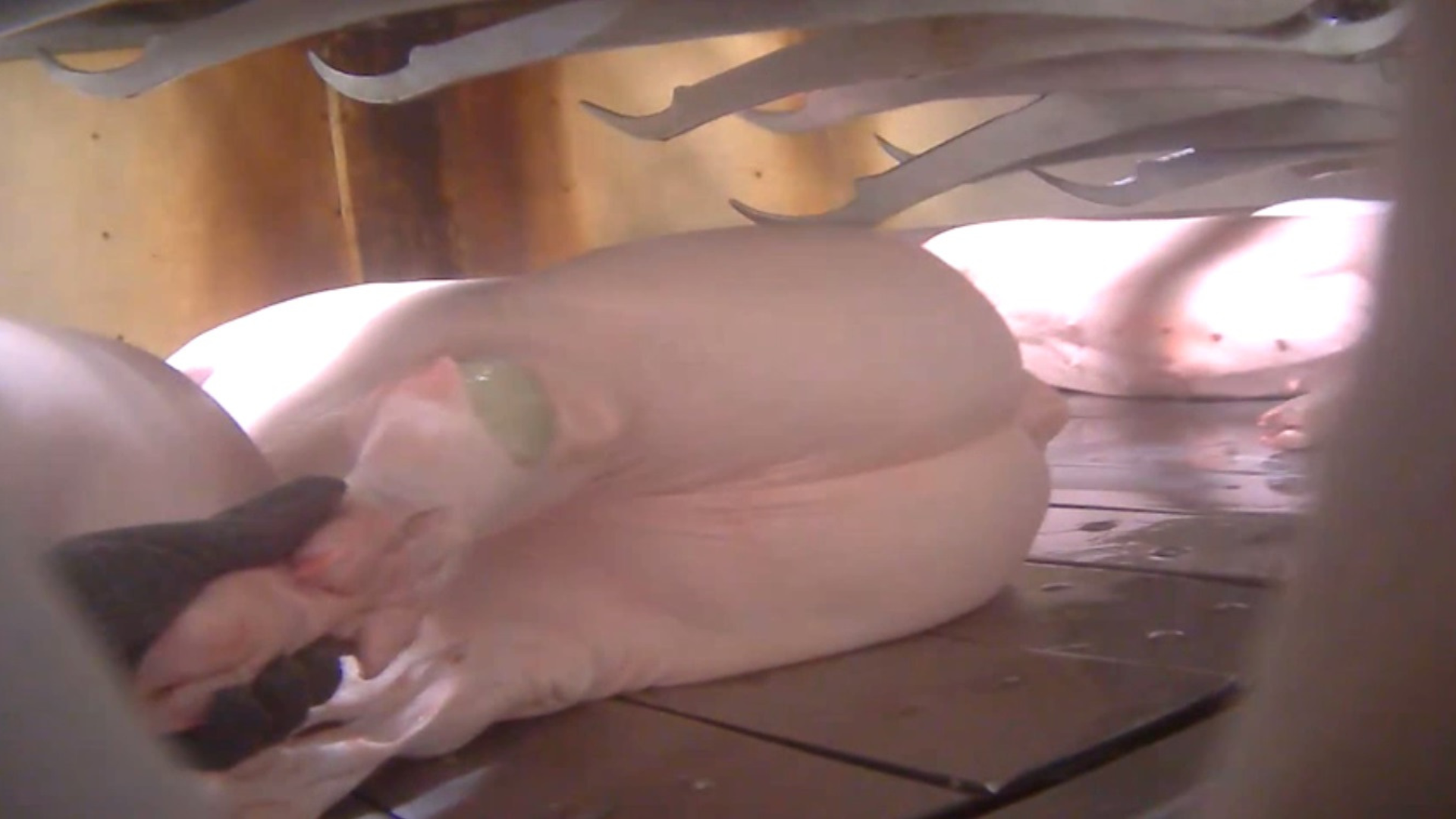
Cows
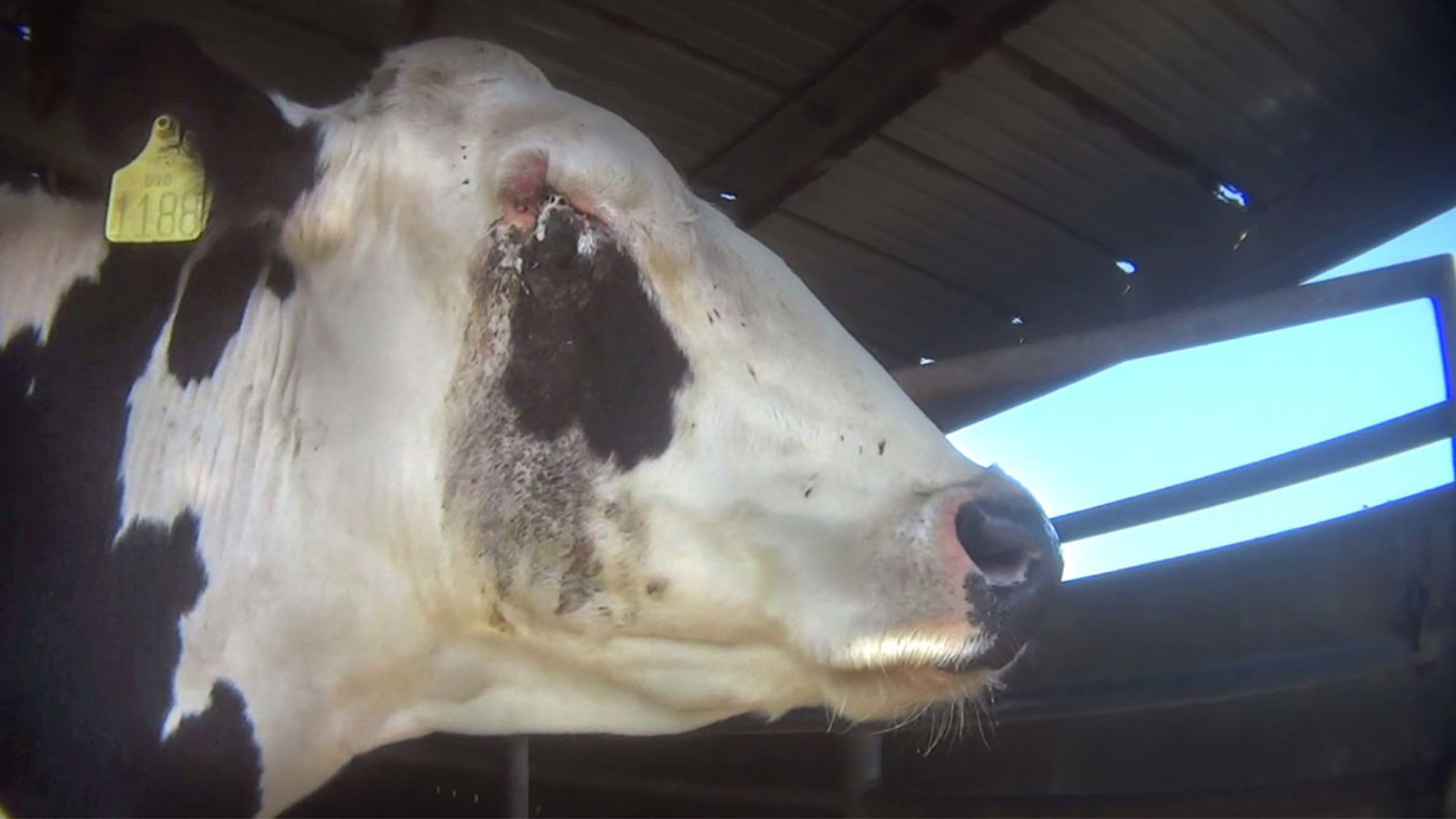
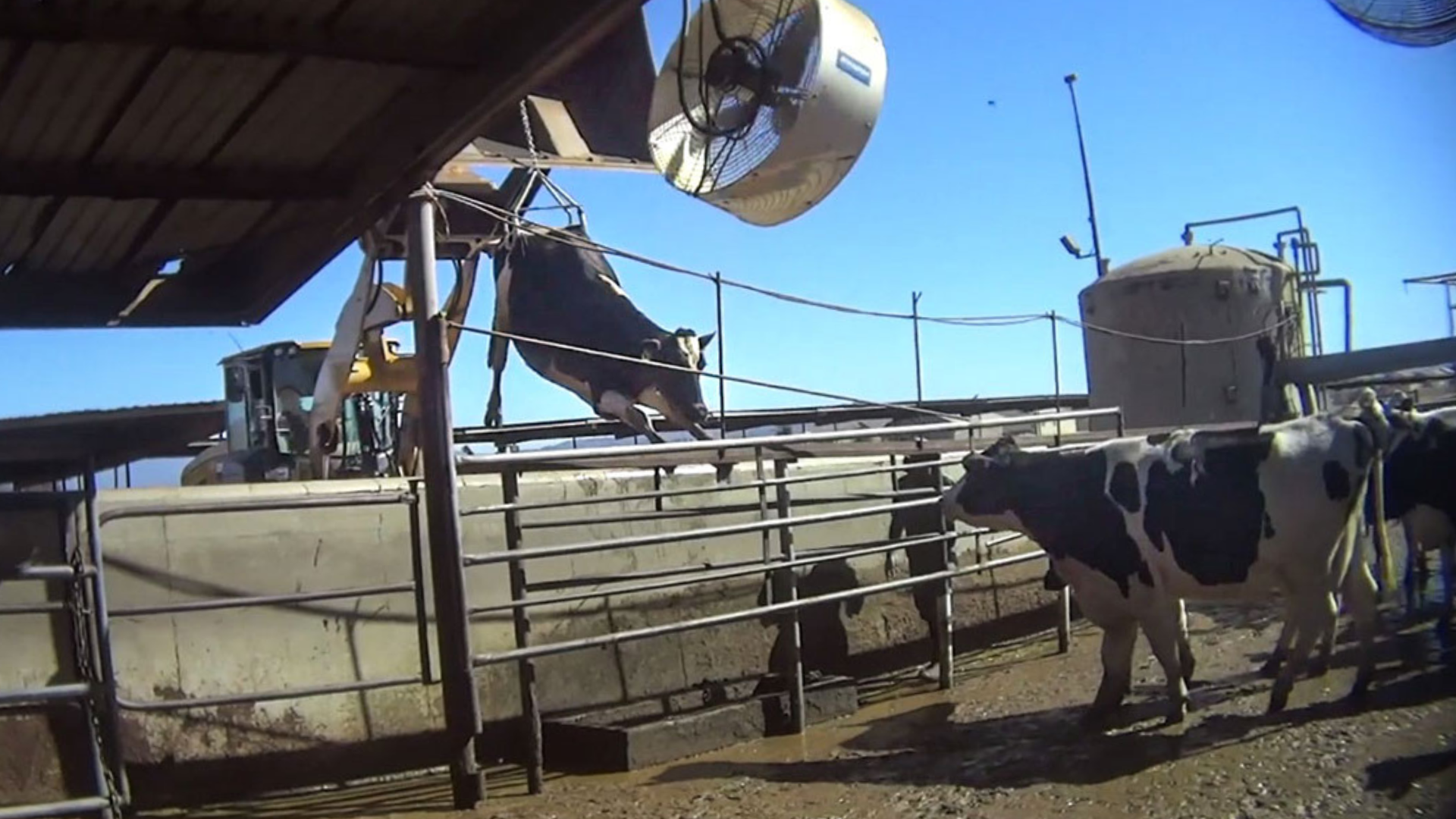
Cows are deeply emotional, yet factory farms treat them as meat and milk machines, separating mothers from calves.
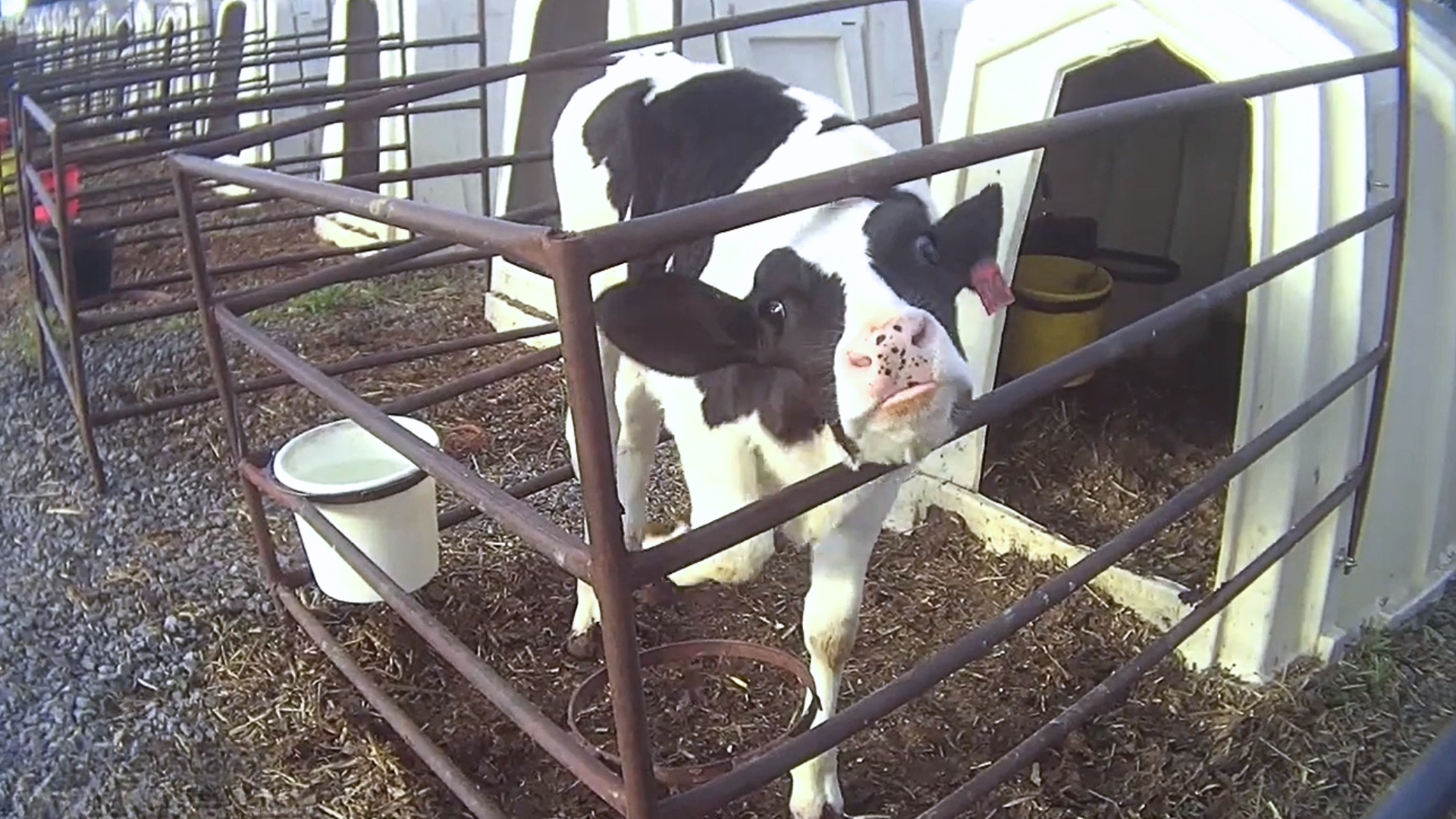

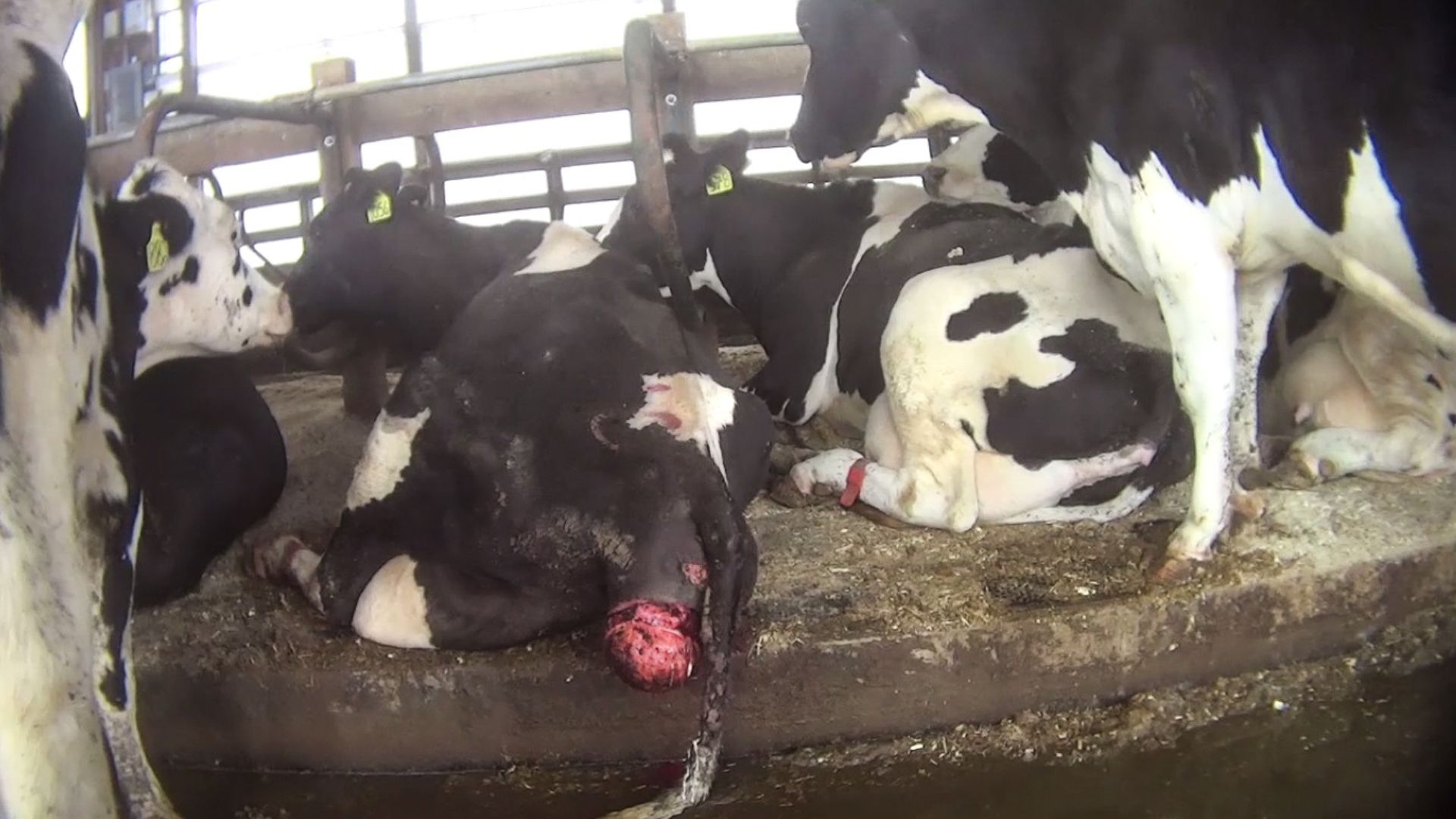

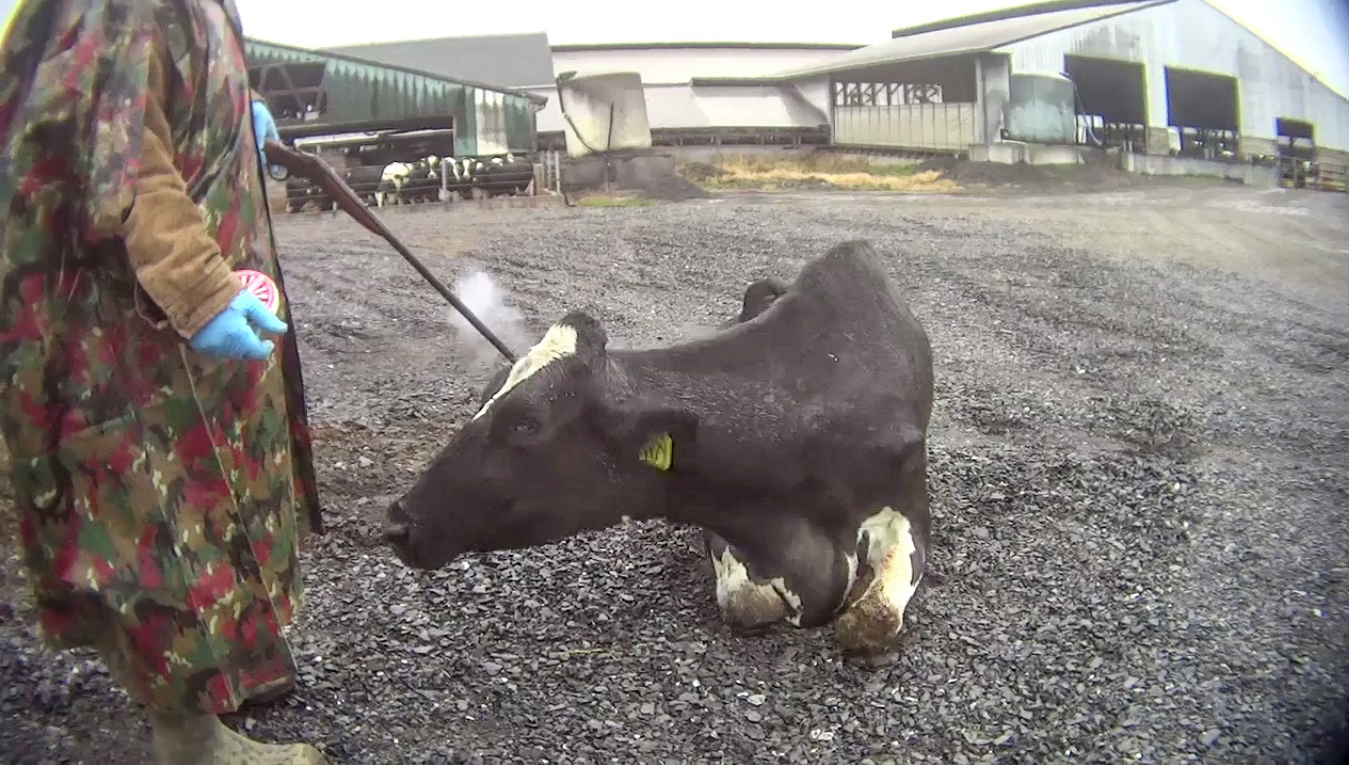
Fish
Fish feel pain and fear, but fish factory farms ignore their suffering, packing them into toxic tanks or leaving them to suffocate after being bludgeoned.


Lambs
Lambs are playful beings with rich personalities, but they are reduced to products by a cruel system that erases who they are.


Misleading Labels: Humane, Organic, and Free-Range
Feel-good labels are meaningless—animals in these systems are still abused and then trucked to the same slaughterhouses as those on other factory farms.


Animals are packed into the same transport trucks, where they endure extreme stress, thirst, and injury.
Dairy products labeled “organic” are still from cows forcibly impregnated and separated from their newborn calves. Chickens producing “cage-free” eggs can still have their beaks sliced off and live shoulder-to-shoulder in dim barns, not open pastures. These labels don’t protect animals—they protect profits.
The only truly humane choice is a vegan one. No matter the label, every animal is a unique individual. They feel love, fear, and pain, yet they’re objectified by the animal agriculture industry. Eating animals and the products of their exploitation isn’t necessary, and it fuels violence, oppression, and injustice. You have the power to end it.
Animal Outlook exposes what the industry hides, so you can be empowered to act with compassion. When we stop buying meat, milk, and eggs, the cycle of violence breaks. Choosing vegan is choosing kindness, truth, and a better world.