99 Ranch Market: Systematic Suffering in Live Aquatic Animal Departments
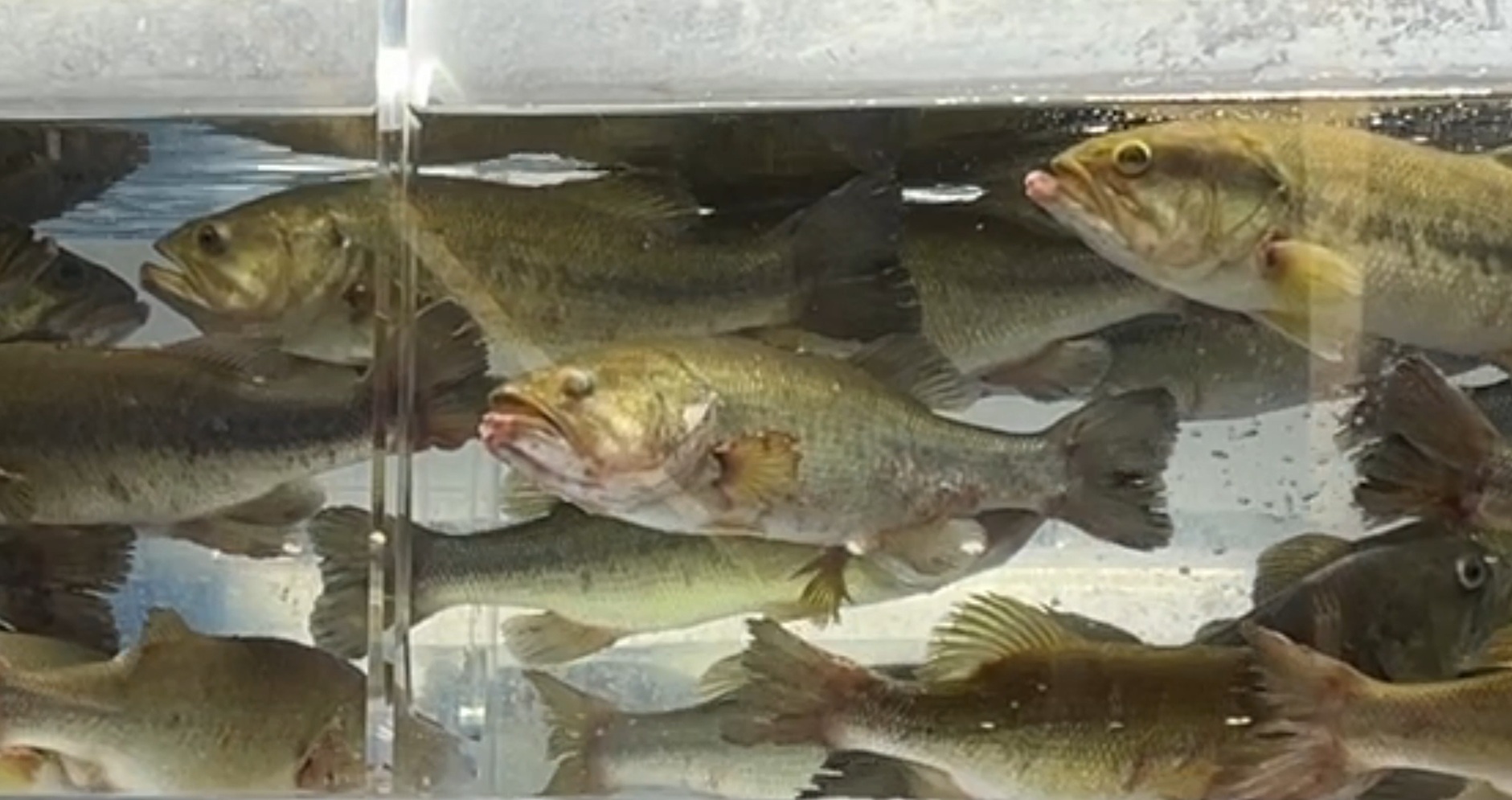
Coast-to-coast cruelty: Animal Outlook visits 99 Ranch Market stores in six states and universally finds overcrowding, dead and dying animals, fish with severe injuries, and inhumane slaughter on display.
The Investigation
99 Ranch Market is one of the largest supermarket chains with live animal markets in America, operating 54 stores across 10 states. Millions of shoppers pass through their doors every year. But following a detailed tip about disturbing conditions in their live seafood departments, Animal Outlook conducted an investigation that revealed widespread animal suffering hidden in plain sight.
What we found wasn't limited to one poorly managed store or one "bad day." Across 99 Ranch Market locations in six different states, the cruelty was universal, systematic, and shocking in its scope.
Our investigation documented:
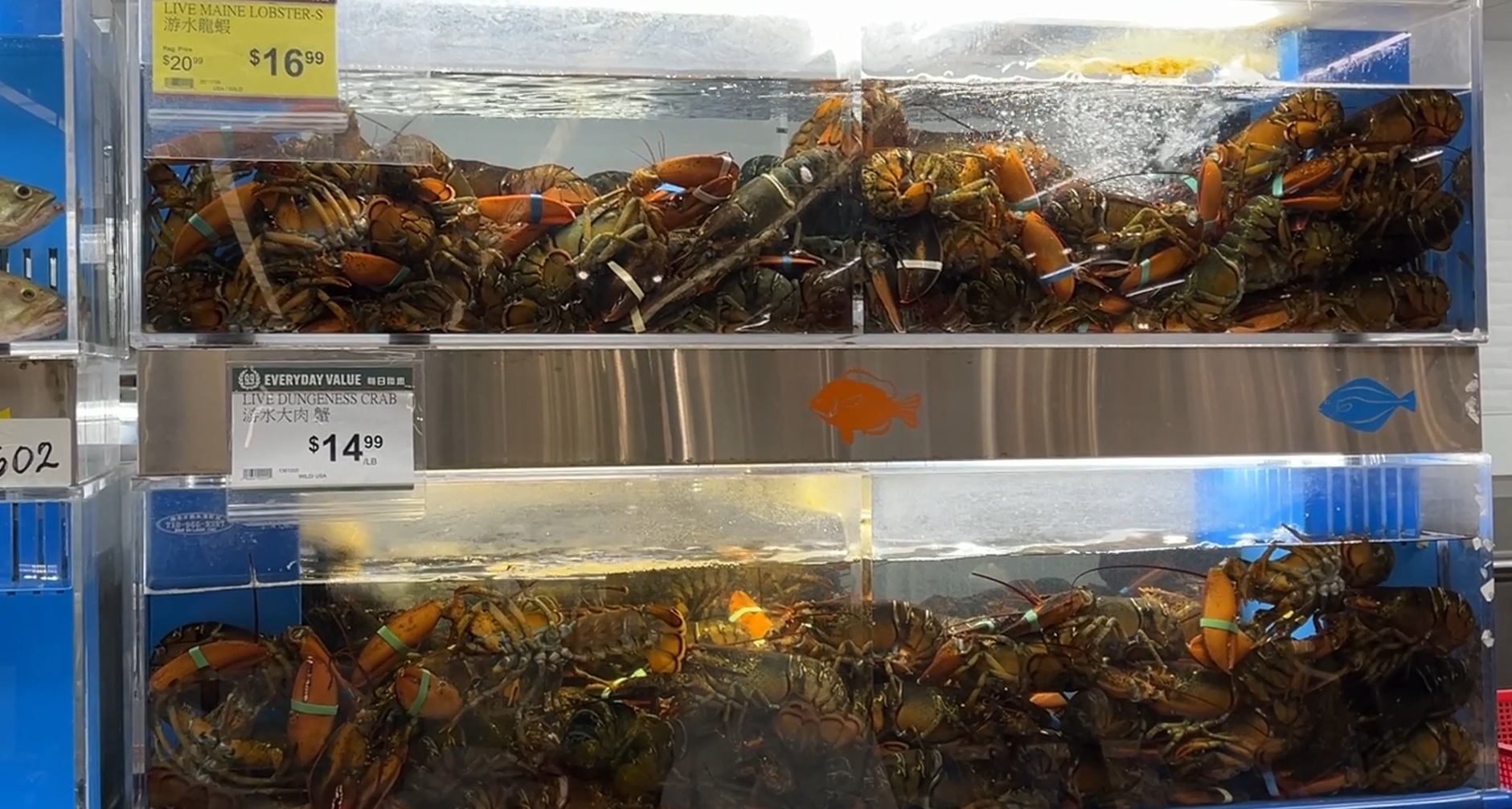
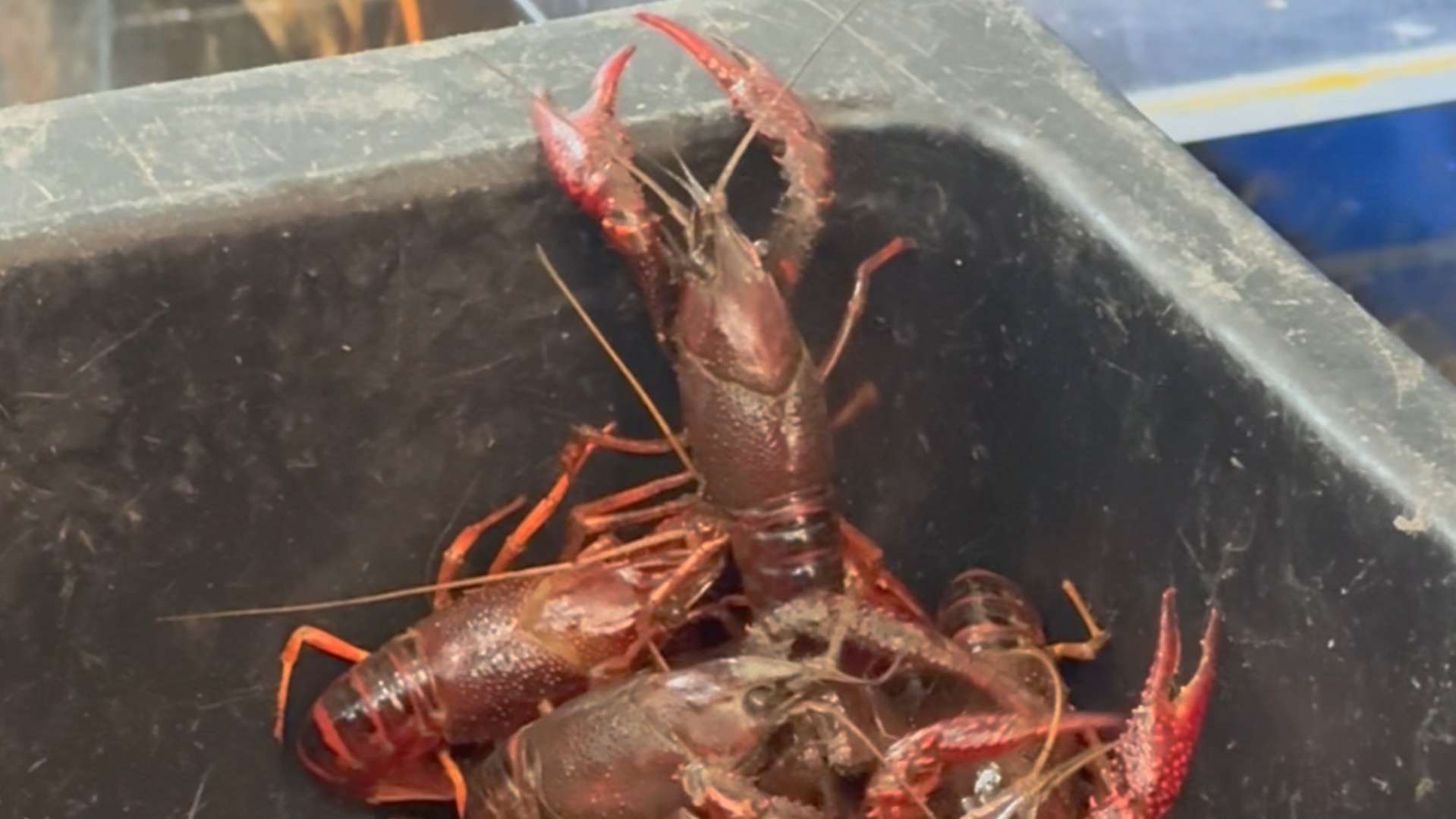
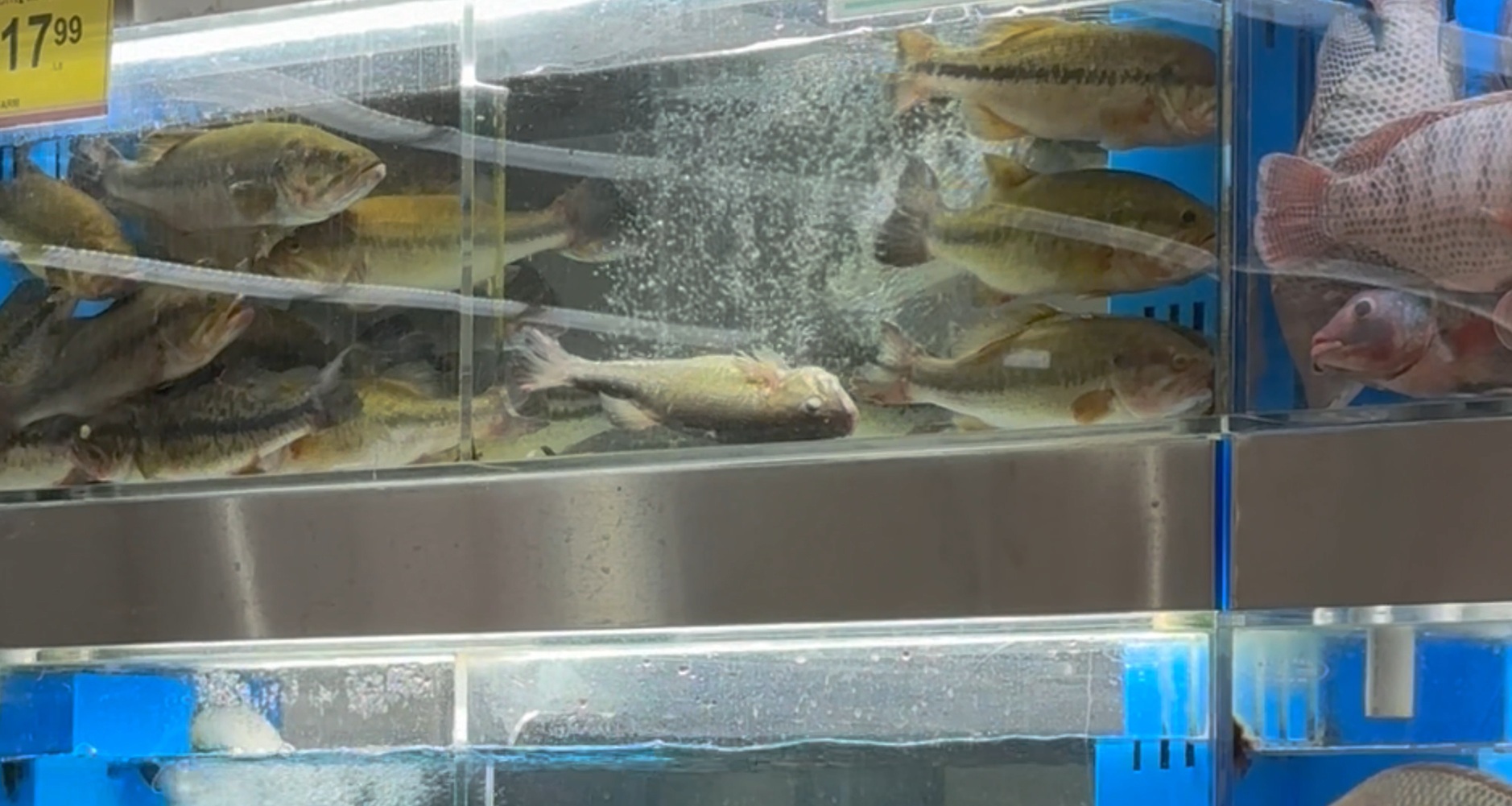
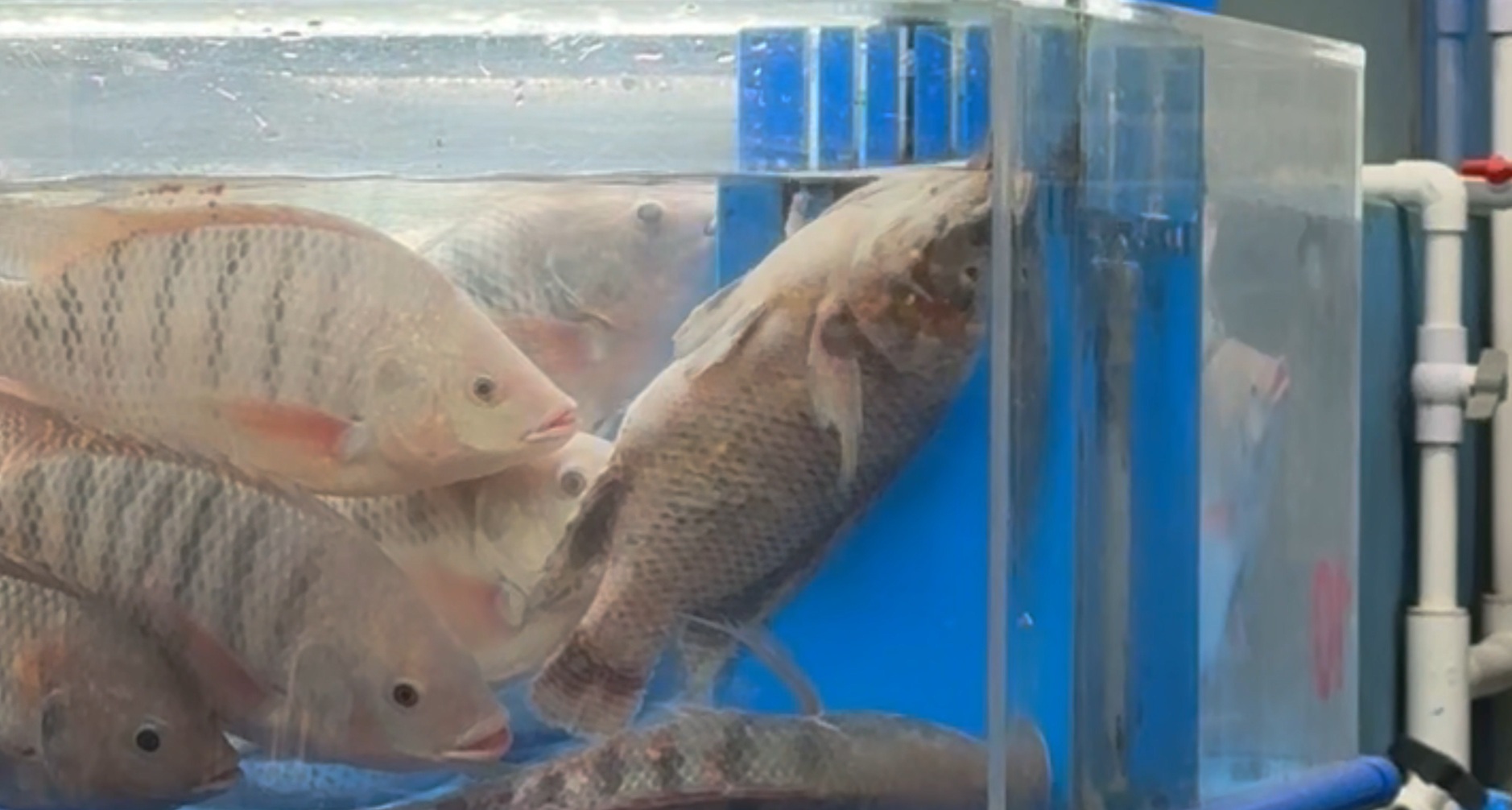
- Severe overcrowding: Tanks packed so densely that animals had virtually no room to move.
- Untreated injuries and disease: Fish, including catfish and bass, with significant tissue loss on their faces; swollen, raw mouths; open sores on their bodies; and cloudy, damaged eyes—signs of bacterial infections, trauma, and prolonged neglect.
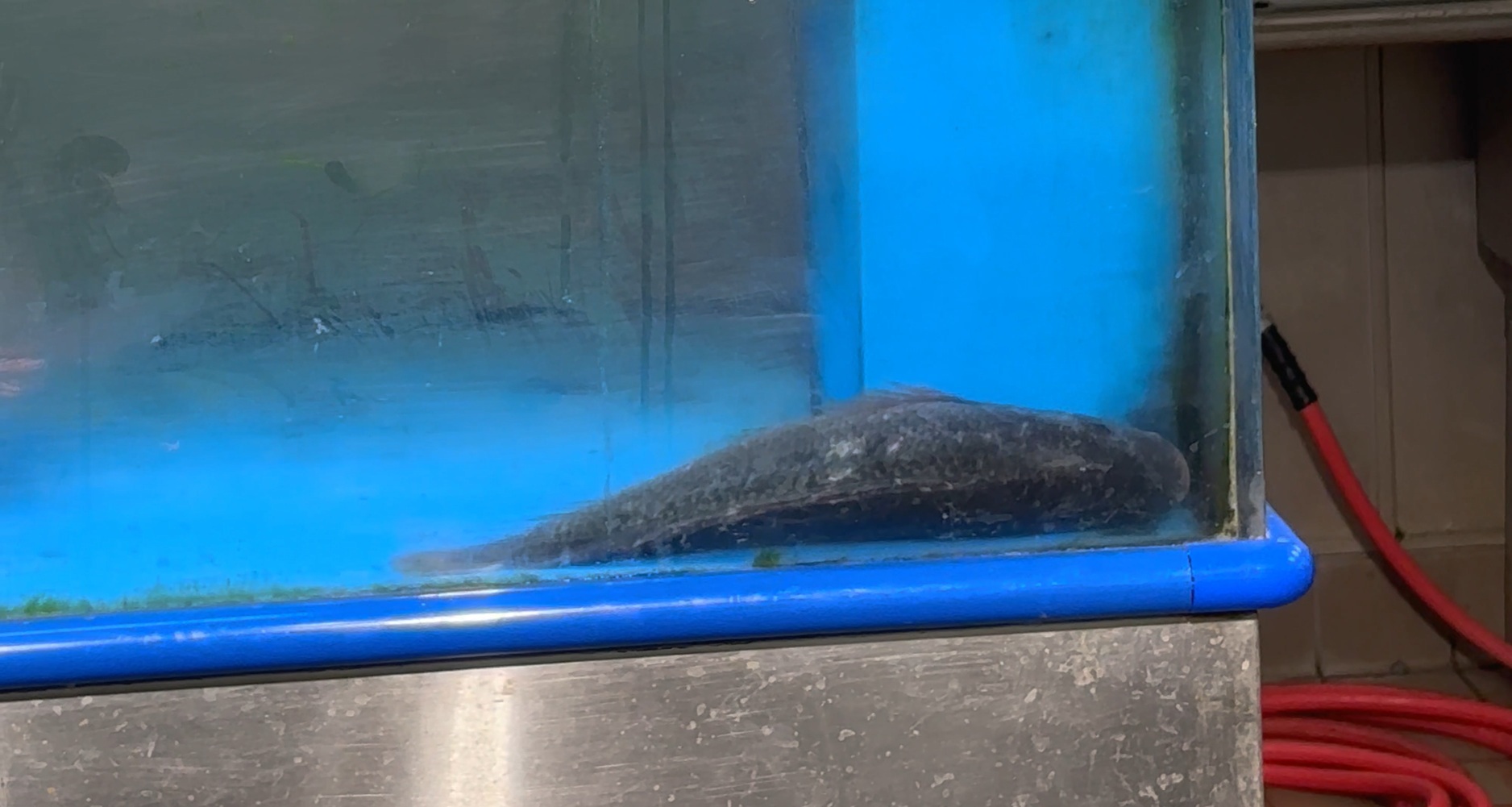
- Dead and dying animals: Tilapia floating upside down or lying motionless on their sides in tanks with live animals, indicating severe physiological distress and water quality failures.
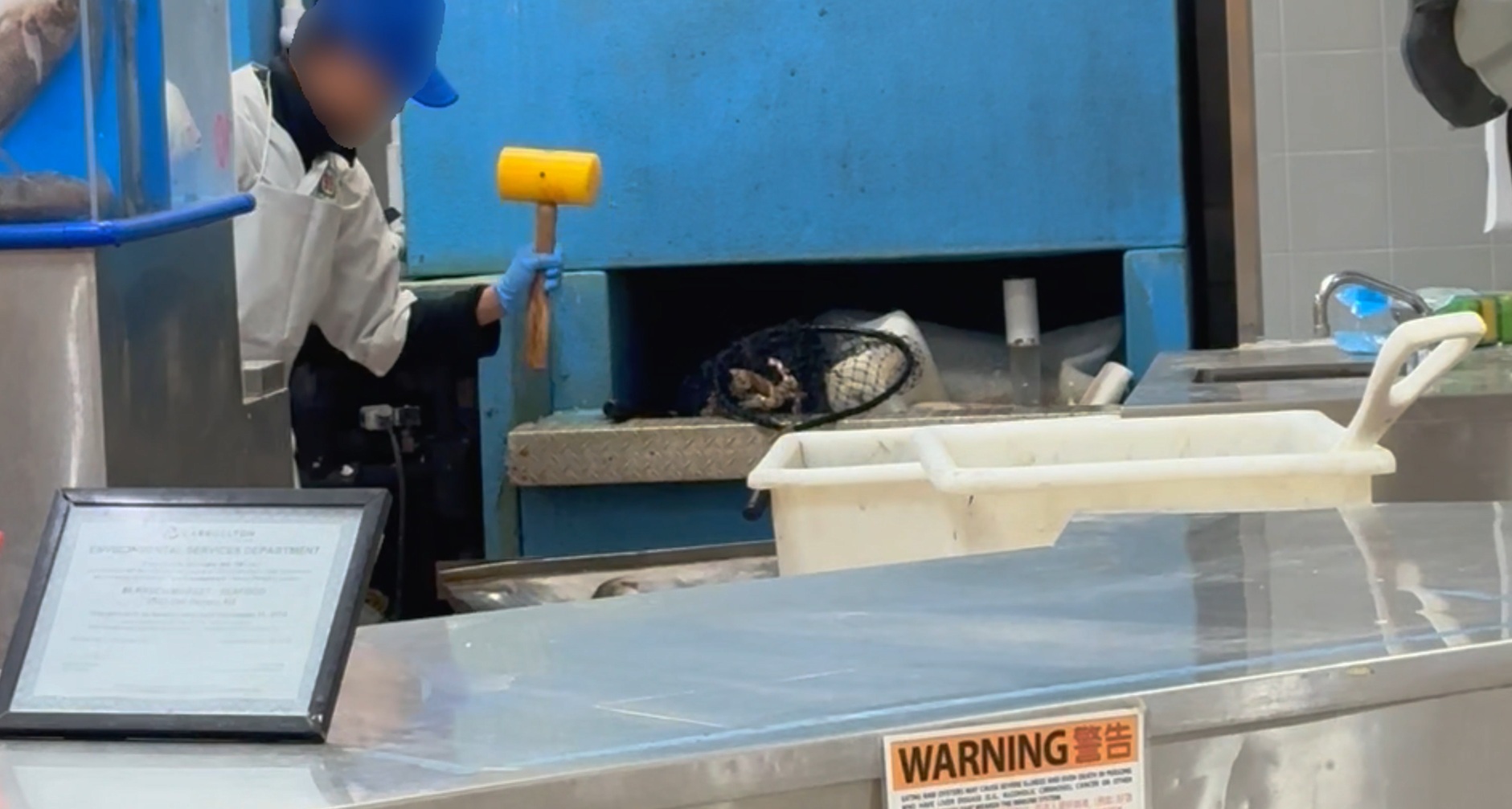
- Brutal slaughter methods: Workers bludgeoning animals to death. Animals typically endured multiple blows before being incapacitated.
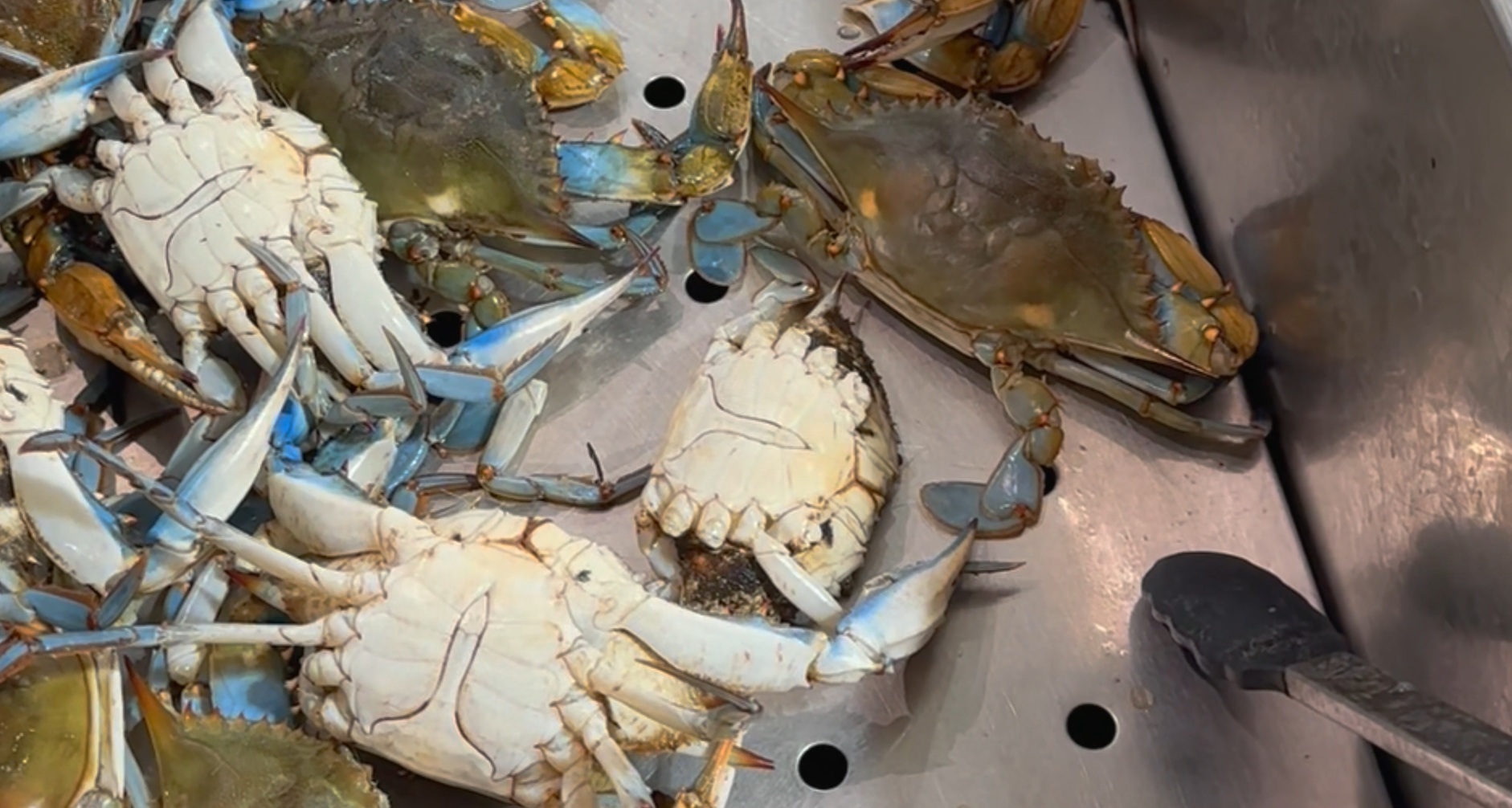
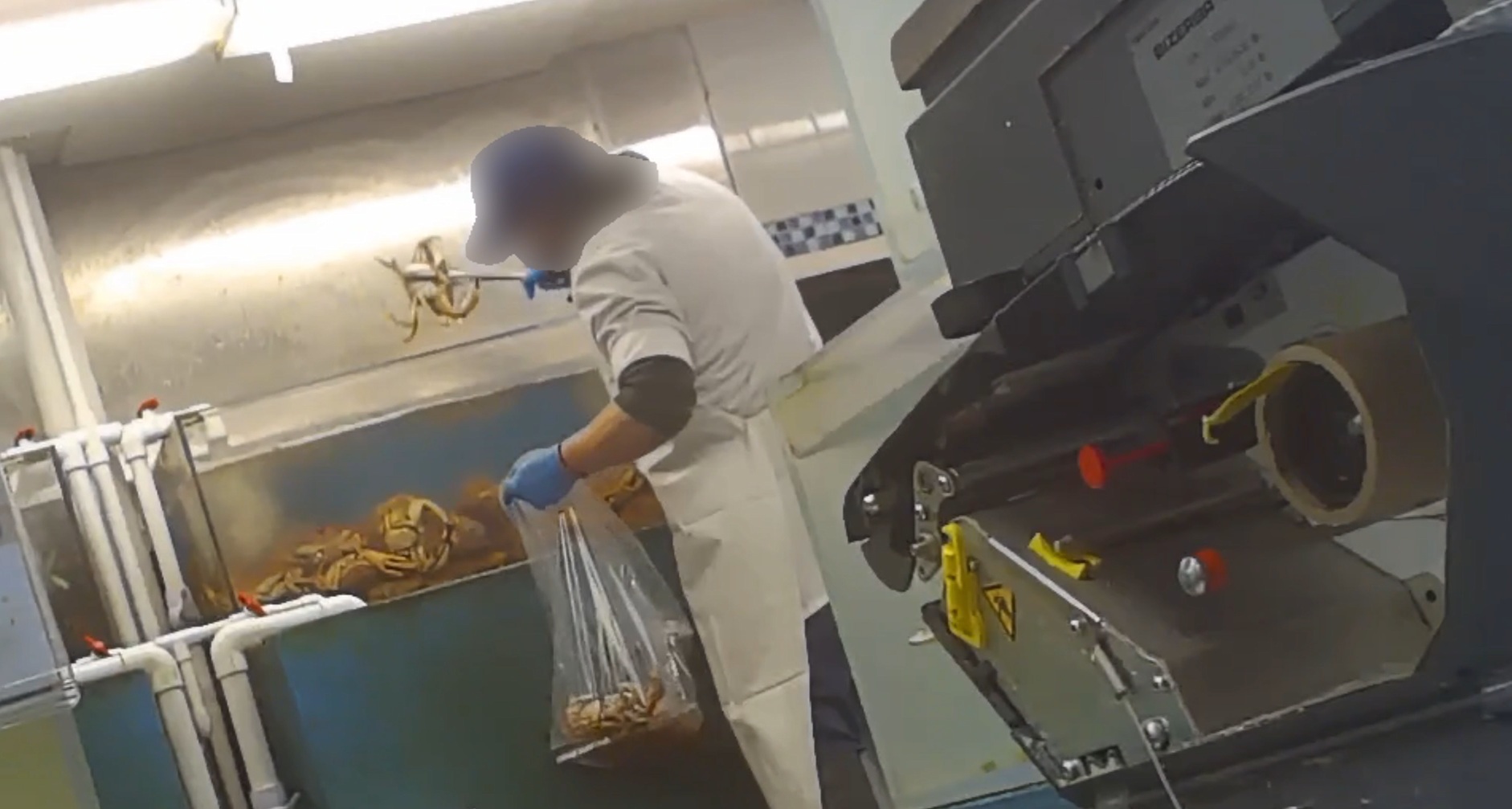
- Slow suffocation: Live crabs thrown into plastic bags and left to suffocate.
- Ubiquitous Cruelty: The cruelty wasn't rare or exceptional. Appalling conditions were documented during each unique trip to each store location.
Expert Analysis
Fish veterinarian and former president of the World Aquatic Veterinary Medical Association, Dr. Jena Questen DVM, CertAqV, reviewed footage from our investigation and provided expert analysis of the conditions:
"Fish and other aquatic animals are often mistakenly treated as if they are less sensitive than other animals, but scientifically, we know they experience pain, stress, and suffering. The kinds of conditions documented—overcrowding, visible injuries, dead and dying animals in tanks—are simply incompatible with even basic standards of animal welfare."
Dr. Questen identified the mouth tissue loss as likely caused by bacterial skin infections—typically Aeromonas, Pseudomonas, or Flavobacterium columnare—that thrive in poor water conditions and rot the tissue. The cloudy eyes she observed indicated trauma, pop-eye related to stress and infection, or injuries similar to decompression sickness that occur when fish are moved too quickly between different oxygen levels.
Regarding the stocking density, Dr. Questen was blunt:
"The stocking density is ridiculous. Too many animals in a small volume of water increase stress, aggression, and disease transmission, while overwhelming filtration systems."
Authorities Failed to Act
We reported our findings to relevant authorities in multiple jurisdictions. The results were deeply disappointing. Agencies either failed to substantiate the complaints themselves or proposed only modest, cosmetic changes that would do little to prevent ongoing suffering.
This failure of enforcement highlights a fundamental problem: aquatic animals receive minimal legal protection, and when oversight is weak or absent, companies face little accountability for the suffering they cause.
The Only Solution: End Live Animal Markets
These animals feel pain. They experience fear. They suffer. And the evidence from our investigation proves that live animal markets cannot be reformed—when cruelty is this systematic, when oversight is this inadequate, and when animal suffering is this predictable, the only ethical response is to shut them down.
Fish and other aquatic animals are often mistakenly treated as if they are less sensitive than other animals, but scientifically, we know they experience pain, stress, and suffering just like any other sentient being.
What You Can Do
- Email the owners of 99 Ranch Market urging them to end all live aquatic animal sales across their stores.
- Contact your legislators and urge them to support a ban on live animal markets in your state.
- Share this investigation with your friends, family, and social media networks. These animals are telling us about their suffering—we just need to listen.
- Support Our Work. Animal Outlook's investigations expose cruelty that companies want to keep hidden. Your donation makes this vital work possible.
Expert Quotes
Dr. Jena Questen DVM, CertAqV, former president of the World Aquatic Veterinary Medical Association
On fish floating upside down or lying on their sides:
"When we see fish floating upside down or lying on their sides, it is a sign of significant stress, poor water quality, or swim bladder issues. These problems can occur when fish are roughly netted and transported, potentially causing traumatic internal injuries. Even something as seemingly minor as failing to temperature-match water before moving fish from one tank to another can cause severe physiological distress that manifests in this way."
On tissue loss around the mouth:
"The tissue loss around the mouth that we see in these fish is most likely caused by bacterial skin infections—typically Aeromonas, Pseudomonas, or Flavobacterium columnare—that are literally rotting the mouth tissue. These infections thrive in poor water conditions and spread rapidly in crowded tanks where fish are stressed and their immune systems are compromised."
On cloudy or damaged eyes:
"The cloudiness in the eyes of these fish is a sign of either trauma, pop-eye related to stress and infection within the eye, or other water quality issues. For example, this can happen when fish are moved too quickly from low to high oxygenation—such as being pulled up from deep water to shallower water too quickly for the animal to physiologically adjust, similar to decompression sickness in divers."
On overcrowded tanks:
"These tanks look terribly crowded. The stocking density is ridiculous. Too many animals in a small volume of water increase stress, aggression, and disease transmission, while overwhelming filtration systems. In these conditions, it becomes nearly impossible to monitor individual fish for signs of illness or injury until the situation is extremely advanced. How awful for the animals."
On dead and dying fish left in tanks:
"Leaving dead or dying fish in a tank with live fish is a very clear red flag. Beyond the obvious welfare concern for the sick individuals, decomposing bodies rapidly degrade water quality and can release pathogens into the environment, putting all remaining fish at risk."
These animals are telling us about their suffering—we just need to listen. And we must.
Investigation Photos