
Ferguson Farm Transition
Environmental Impact
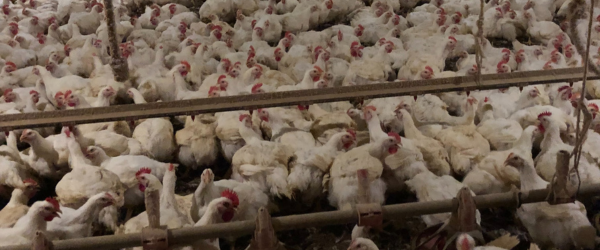
207 million gallons
Water savings from feed production, drinking water, and processing. Hydroponic systems demonstrate remarkable efficiency compared to water-intensive animal agriculture.
Image on left: Chicken shed at Ferguson Farm prior to the transition to lettuce farming.
1,997 Metric Tons
Reduction in carbon emissions from feed production, manure management, and processing. This significant decrease illustrates how hydroponic systems are far less carbon-intensive than animal agriculture.
Image on right: Aerial view of the sheds that formerly housed chickens at Ferguson Farm (credit: Mark L. Middleton).

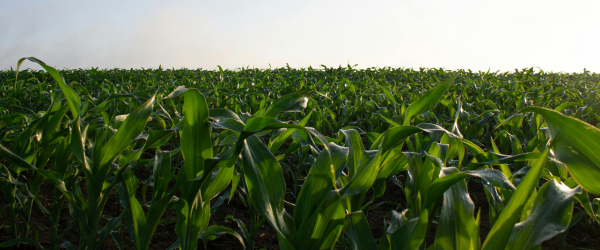
113.5 acres
Previous chicken operation required extensive land for barns, feed crops (corn and soy), and manure management. Hydroponic systems' space efficiency helps preserve natural ecosystems and protect biodiversity.
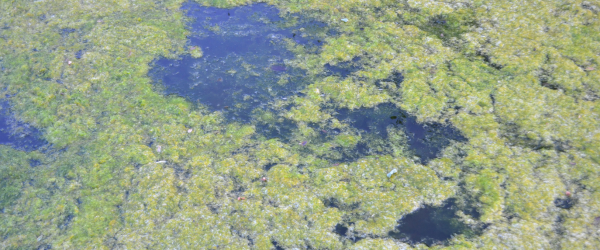
8.92 Metric Tons
Transitions eliminate nitrogen from broiler manure that would otherwise contaminate waterways, cause algal blooms, and create dead zones. Hydroponic systems recycle water and nutrients, minimizing runoff and pollution.
985,290 KWH
Energy savings from heating, ventilation, lighting, feed production, transportation, and processing. While hydroponics require energy for pumps, lighting, and climate control, overall consumption is lower than animal agriculture. Existing chicken sheds offer opportunities for solar panel installation.
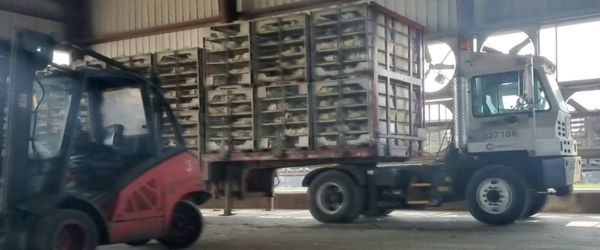
Image on left: A chicken transport truck captured during Animal Outlook's 2018 undercover investigation of Amick Farms.